A lockout guy needs clear details before handling your roadside car lockout. Share your exact location, vehicle details, key location, access problems, and your connection to the car. That short checklist helps the independent operator understand the situation before any work begins.
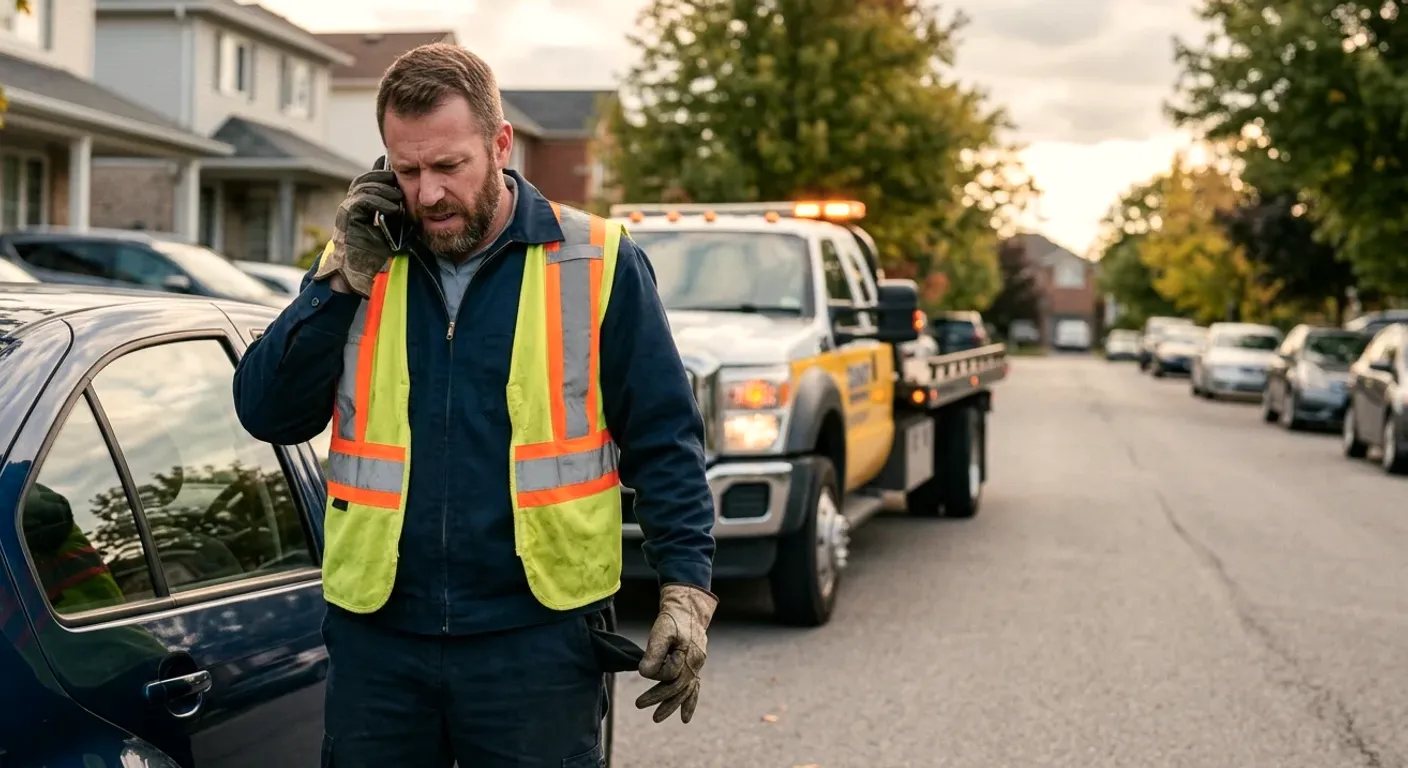
Share the vehicle and exact location
Start with the vehicle’s year, make, model, and color. Give the license plate if you can read it safely. Mention whether it’s a sedan, pickup, SUV, van, or another vehicle type.
Don’t assume your phone shares an accurate location. Tell the operator where the car actually sits. A street address is useful, but it may not identify a large parking lot. Add the business name, entrance, parking level, or nearest visible sign.
El Paso location details matter because the metro crosses several jurisdictions. Say whether you’re in El Paso proper, Socorro, Horizon City, or Sunland Park. Sunland Park is across the New Mexico state line, not in Texas. If you’re near that line, confirm which side you’re on.
On major roads, provide the route and travel direction. “I-10 eastbound” is more useful than “on the freeway.” Include the nearest exit, mile marker, cross street, or landmark you can identify. The same approach works on Loop 375, US-54, Montana Avenue, and Mesa Street.
Tell the operator whether the car is in a driveway, garage, parking structure, gated lot, or roadside space. Mention height limits, locked gates, ticket-controlled entrances, and building access. Don’t enter traffic or cross active lanes to collect a better landmark.
If the vehicle creates another roadside problem, explain that too. A dead battery or damaged tire may change the type of roadside assistance you need after the door is opened.
Explain where the keys are
Next, describe where the keys are without attempting an entry method. They may be visible on a seat, inside the trunk, or somewhere else in the cabin. They may also be missing rather than locked inside.
Be precise about what happened. Tell the operator if a door closed with the keys inside. Mention if the trunk shut separately. If you have a spare key, explain where it is and whether someone can bring it.
Say whether the key is traditional, remote, or part of a push-button system. Don’t guess about the vehicle’s electronics. A clear description is enough for the operator to assess the request.
Also mention whether the engine is running. If a child, another person, or an animal is trapped inside, say that immediately. Don’t treat an immediate danger as a routine service call. Contact emergency services when someone’s safety is at risk.
Avoid trying internet lock tricks while waiting. This guide doesn’t provide bypass instructions because vehicles and locking systems differ. Improvised tools can also create a second problem around glass, trim, wiring, or weather seals.
If the keys aren’t visible, say so. The operator needs to distinguish a lockout from a lost-key situation. Car lockout help doesn’t necessarily include making, programming, or replacing a key. Ask what service the operator can handle before agreeing to the visit.
Mention any unusual access issue
Describe anything that makes reaching the vehicle harder. A simple sentence about the surroundings can prevent confusion later.
Tell the operator if the car is behind a gate or inside a controlled garage. Explain how visitors enter and whether property staff must approve access. If the vehicle is at an apartment complex, give the building number and parking section.
El Paso weather can change roadside conditions quickly. Monsoon season runs from July through September and can bring short, intense storms and flash flooding. Spring dust and wind can reduce visibility along I-10. Tell the operator about standing water, poor visibility, or another current hazard near the vehicle.
Don’t remain in moving water or enter a flooded road to meet someone. About 12 inches of moving water can carry a small car. Move yourself to a safer location when possible, then explain where the vehicle remains.
Mention physical damage around the door or lock. Include broken glass, collision damage, a bent door, or a frozen electronic system. Don’t promise yourself that it’s “just a lockout” when the vehicle has been hit. The operator may need to discuss a different service, including towing.
Tell them if the car is unusually low, oversized, modified, or parked tightly against a wall. If it’s an electric vehicle, identify it accurately. Don’t attempt to move, power, or open unfamiliar components based on a general online video.
Finally, disclose any parking or property restrictions. An operator can’t assume access to Fort Bliss, a private garage, or a secured commercial lot. On-post Fort Bliss procedures weren’t confirmed for this guide. Verify access directly with the installation and the independent operator before arranging help.
Confirm that you can authorize help
Tell the operator whether you own the vehicle, rent it, drive it for work, or have permission from the owner. Don’t present yourself as the owner if you aren’t.
The exact identification or authorization required for a lockout couldn’t be confirmed from the approved towing sources. Ask the independent operator what documents they require before starting. Requirements may depend on the vehicle, property, and requested work.
Have a photo ID available if you possess one. You may also have registration, insurance information, a rental agreement, or another document connecting you to the vehicle. That doesn’t guarantee acceptance. The operator decides what must be shown for the requested service, so verify the requirement directly.
If the documents are locked inside, tell the operator during the call. Don’t wait until work is about to begin. Explain where the documents are and ask what other information may be accepted.
Company cars and rental vehicles may involve another party’s rules. Contact the employer, fleet manager, or rental company when their approval may be needed. Don’t claim permission you haven’t received.
Texas requires towing operators and towing companies to hold licenses based on the towing work they perform. If towing becomes necessary, you can check a Texas credential through the TDLR license search. Select the relevant towing license type and search using the available operator or company details.
A request in Sunland Park, Santa Teresa, Chaparral, or Anthony, New Mexico falls under New Mexico rules. Don’t rely on Texas licensing information for work performed there.
Review charges with the independent operator
Quick Tow EP doesn’t set prices or quote totals. The driver deals with and pays the independent operator directly. Review the proposed charges with that operator before work starts.
Describe the full situation first. A price discussion based on missing details may not cover the actual request. Tell the operator about the vehicle, exact location, key position, access restrictions, damage, and any additional roadside problem.
Ask what service the charge covers. Confirm whether the request is only for entry assistance or includes another task. If the vehicle might need towing afterward, discuss that separately. A tow requested by the driver is a consent tow, and the operator prices it.
Don’t assume an El Paso nonconsent towing cap controls a lockout service or a tow you requested. Inside El Paso city limits, City Code Chapter 12.54 sets caps for nonconsent towing. Those rules don’t create a Quick Tow EP price, and they aren’t a price table for voluntary lockout help.
Jurisdiction also matters if the situation changes into a nonconsent towing dispute. El Paso city rules differ from the rules outside city limits in Texas. Texas towing rules don’t apply across the state line in New Mexico.
Before the operator begins, ask about the accepted payment methods and when payment is due. Ask whether the amount discussed covers the work you described. If the circumstances look different on arrival, review any change before authorizing additional work.
Keep your own notes. Record the company or operator name, the service discussed, and the amount presented to you. Quick Tow EP is the referral line. It doesn’t control the independent operator’s charges, equipment, or service decision.
When to call us
Call when you’re locked out and need a licensed towing professional to assess the situation without entry instructions or guesswork. Call us at (915) 615-5465 and we’ll connect you with an independent licensed operator who handles this work. If nobody picks up, leave a voicemail.