After an accident tow, your car may go to storage, a repair shop, or another approved destination. The answer depends on who ordered the tow, what instructions were accepted, and whether the destination can receive the vehicle.
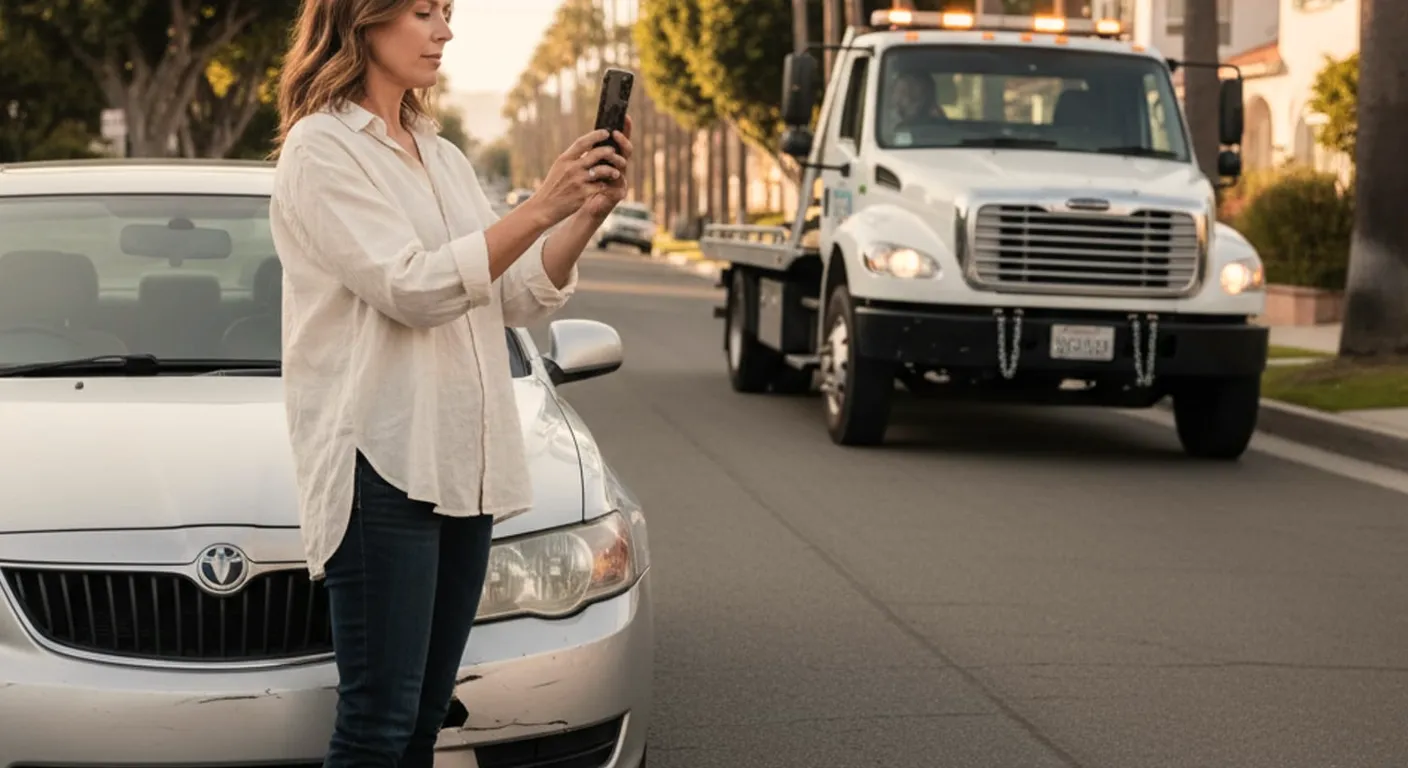
Identify who ordered the tow
Start by identifying who requested the tow. That single detail shapes what you should do next.
A police-ordered tow is different from a tow you requested yourself. EPPD may order a vehicle removed after a crash or when it’s unsafe to drive. That doesn’t confirm where every damaged vehicle will go. Ask the officer, towing company, or storage facility for the exact destination.
For an El Paso police-ordered tow, check the EPPD vehicle towing page. A vehicle may be at the City of El Paso Municipal Vehicle Storage Facility. UR Vehicle Management Solutions operates that facility at 11615 Railroad Drive. You can also use its online vehicle database to search for a vehicle.
A Sheriff-ordered tow in unincorporated El Paso County may follow another process. The vehicle may be at a contracted tow lot or an EPCSO lot. Contact the Sheriff’s Evidence and Abandoned Motor Vehicle Section to confirm its location and recovery steps.
An insurer may arrange a tow after receiving your claim information. Another driver, family member, repair shop, or roadside service might also request one. Don’t rely on a general statement such as “insurance handled it.” Get the towing company’s name and the destination address.
If you requested accident recovery yourself, confirm the destination directly with the independent operator. Quick Tow EP can connect you with an operator, but we don’t select where the car goes.
Ask whether you can choose the destination
Tell the ordering party where you want the car taken. Then ask whether that destination is available for this specific tow.
The rules or procedures controlling that choice couldn’t be confirmed from the approved sources. Don’t assume you have complete control, and don’t assume someone else does. Ask the police agency, insurer, or independent tow operator involved in your case.
Use direct questions:
- Is the destination already set?
- Who selected it?
- Can I request a different location?
- Has the truck left the scene?
- Will changing the destination require another tow?
- Who must approve the change?
Location matters across the El Paso metro. A crash on I-10 inside El Paso isn’t governed the same way as one near Horizon City. Sunland Park and Santa Teresa are in New Mexico, where Texas towing rules don’t apply. Fort Bliss also follows installation rules for incidents on post.
Don’t use a Texas fee rule to make decisions about a New Mexico tow. No verified New Mexico towing figure is available here. Ask the agency or lot handling the vehicle for its current requirements and charges.
Inside El Paso city limits, City Code Chapter 12.54 governs nonconsent towing fees. Outside the city limits in Texas, different rules may apply. A tow you request is a consent tow, and the operator prices it. Confirm the destination and price with the operator before the truck hooks up.
If the car has already reached storage, ask whether it can be released for another tow. Confirm the required documents and payment directly with the facility before arranging that move.
Confirm that the destination accepts the car
A destination name isn’t enough. Call the repair shop, storage facility, dealership, home, or other property before the vehicle leaves.
Ask whether the location will accept a damaged vehicle in its current condition. Explain whether the car rolls, steers, starts, or has loose body parts. Those details help the destination decide whether it can receive the vehicle safely.
Also confirm the correct entrance and delivery instructions. Large properties may have separate customer, service, and after-hours access points. Don’t assume the street address tells the operator where to unload.
El Paso geography can complicate a mistaken destination. A car moved from the Westside near Mesa Street may be far from a shop in the Far East near Joe Battle. A vehicle taken toward the Northeast from Loop 375 may also end up far from the owner, repair shop, or insurer’s inspection location. Confirming the address first can prevent another towing decision.
Ask the destination:
- Will you accept this vehicle?
- Where should the operator enter?
- Who should receive the keys?
- What information do you need from me?
- Can the vehicle remain there before inspection or repair approval?
- What happens if nobody can receive it?
The approved claims don’t confirm any universal repair-shop intake rule. Each destination sets its own process. Get its instructions directly.
If the destination declines the vehicle, choose another location before the tow begins when possible. If the car is already moving, contact the ordering party and operator. Ask what options remain without assuming the route can be changed.
Keep insurance and towing decisions separate
Treat the insurance claim and the tow destination as two related conversations. Don’t assume a claim number automatically tells the operator where to take the car.
First, ask the insurer what it needs for inspection and claim handling. Record the representative’s name and any destination instructions. If the insurer suggests a shop or storage location, contact that destination yourself and confirm acceptance.
Next, speak with the independent tow operator. Give the complete destination name, street address, and receiving instructions. Ask the operator to repeat the destination before the vehicle leaves.
Don’t make repair authorization part of a rushed roadside conversation. A towing destination and permission to repair the car aren’t the same decision. Ask the shop what paperwork it wants before approving diagnosis, teardown, storage, or repairs. The approved sources don’t establish who controls those choices in every claim.
The state line deserves special attention. A crash near Sunland Park may involve New Mexico rules, even when the preferred shop is in El Paso. A crash near Socorro or Horizon City remains in Texas but outside El Paso city limits. Tell the insurer and operator exactly where the accident happened and where you want the car delivered.
When the location is unclear, use landmarks only as supporting details. “Near Loop 375” covers several parts of the metro. Provide the roadway, direction, nearest exit, and city or jurisdiction when known.
If police ordered the tow, ask the agency where the car was sent before arranging anything else. If the insurer arranged it, ask the insurer for the towing company and destination. If you ordered it, confirm every detail with the operator.
Save records from the independent operator
Save every document, message, and name connected to the tow. These records help you locate the car and explain what happened later.
Write down the accident location, date, and approximate time. Note who ordered the tow and which agency responded. Save the towing company’s name, the operator’s information, the destination, and any paperwork you receive.
Keep photos of the vehicle and accident scene when it’s safe to take them. Photograph the car again at the destination if you can do so without entering a restricted area. Don’t interfere with officers, recovery work, or moving traffic.
Ask for paperwork showing the vehicle information and destination. Review names, addresses, and identifying details for errors. Save payment records from the towing company or storage facility. Quick Tow EP doesn’t handle payment because you deal with and pay the independent operator directly.
For a Texas storage facility, bring acceptable identification and proof of ownership when retrieving the vehicle. Accepted ownership documents can include registration, title, insurance documents, a power of attorney, or a rental agreement. Confirm the exact requirements with the facility before traveling there.
Texas owners can review the TDLR towing consumer information. You can also check a Texas operator through the TDLR license search.
If details conflict, don’t guess. Contact the ordering agency, insurer, towing company, and destination. Ask each party to confirm its part of the record. A clear paper trail makes it easier to find the vehicle and decide what happens next.
When to call us
Call when a damaged vehicle needs a licensed towing professional and you’re ready to confirm its destination with the operator. Call us at (915) 615-5465 and we’ll connect you with an independent licensed operator who handles this work. If nobody picks up, leave a voicemail.