A no-start in Downtown El Paso calls for clear information, not a rushed diagnosis. If you need a jump start in Downtown El Paso, first note your exact location and what the vehicle does when you turn the key or press the start button.
Share your exact parking location
“Downtown El Paso” isn’t enough for an operator to find your vehicle. Share the street, nearest cross street, building name, or parking area. If you’re near Mesa Street or an I-10 entrance, say which direction you were traveling.
A phone map can help you find a location pin. Read the displayed street name before calling. Don’t assume the pin tells the whole story. It may identify a building while your car sits on another side of it.
Include details that affect access. Say whether the vehicle is at street level, inside a garage, behind a gate, or in a restricted lot. Mention the garage level and the nearest marked entrance when those details are visible. If you received a parking ticket with a location printed on it, compare that location with your phone map.
Tell the operator if your vehicle blocks traffic or sits near a travel lane. Don’t step into moving traffic to inspect it. Move yourself to a safer position if that can be done without moving the vehicle.
Downtown location details also prevent jurisdiction confusion. Sunland Park is across the New Mexico state line, while Downtown El Paso is in Texas. Rules from one state shouldn’t be applied to the other.
If you moved away from the vehicle, explain where you’ll meet the operator. Keep your phone nearby, but understand that Quick Tow EP can’t promise an arrival time. Ask the independent operator for an arrival estimate after you’re connected.
Describe what happens when you try to start
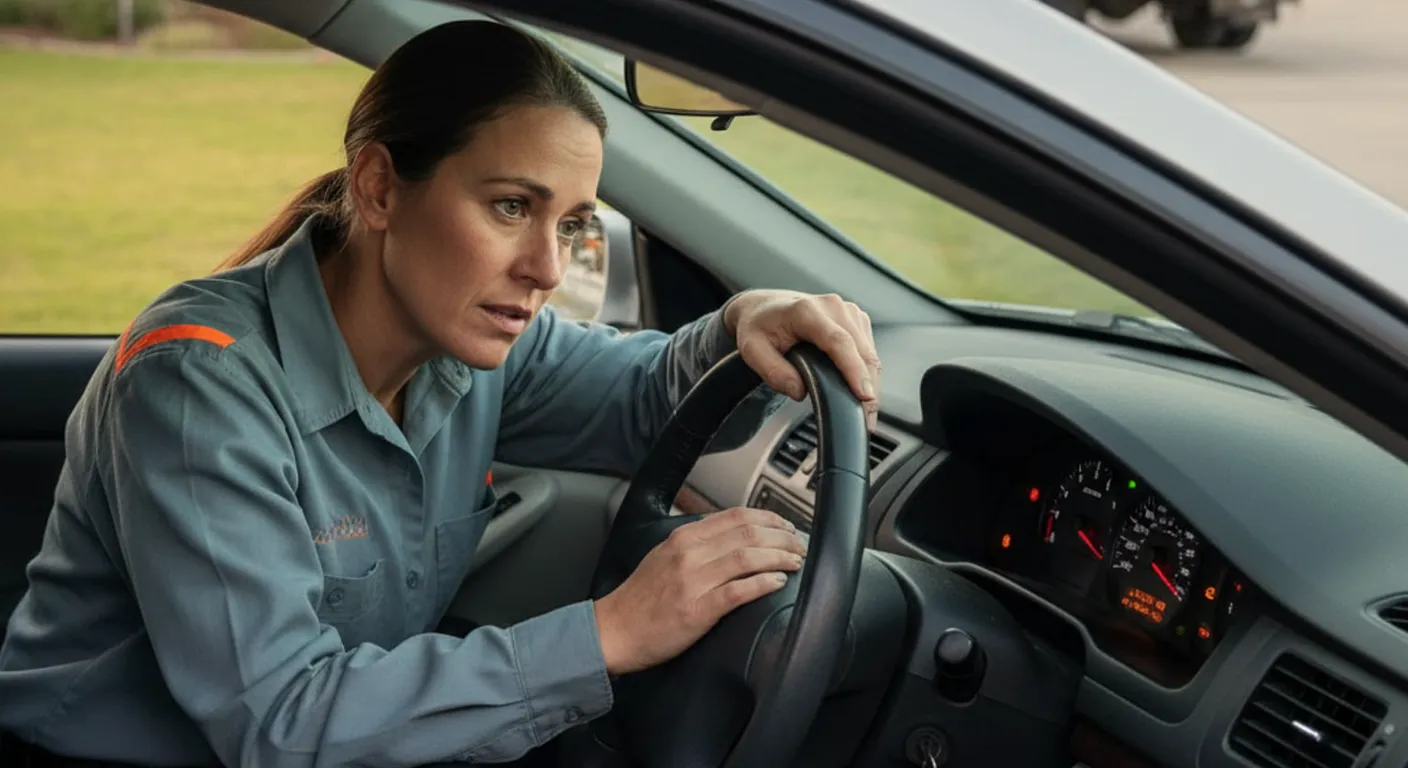
The sound and dashboard behavior help the operator understand the service request. You don’t need to diagnose the battery. Just describe what you can observe from the driver’s seat.
Useful descriptions include:
- Nothing happens when you turn the key.
- The engine makes one click.
- It makes repeated clicking sounds.
- The engine turns but doesn’t start.
- The dashboard lights appear dim.
- The dashboard lights appear normal.
- A warning message appears on the display.
- The vehicle started earlier but won’t start now.
Use your own words if none of those descriptions fit. Avoid naming a failed part unless a qualified professional has already identified it. A no-start condition can’t be confirmed as a battery problem from a short phone description.
Tell the operator what happened immediately before the problem. For example, mention whether the vehicle stalled, sat parked, or showed a warning message. Don’t repeatedly attempt to start it while you wait. The operator may ask follow-up questions based on the symptoms you report.
Heat can shorten battery life in El Paso. The National Weather Service’s July normal high is 96.1°F. That local climate makes battery help a reasonable question, but it doesn’t prove the battery caused your current problem.
If the vehicle was in floodwater during a monsoon storm, disclose that before requesting help. July through September can bring short, intense storms and flash flooding. Don’t treat a flood-exposed vehicle as an ordinary jump-start request.
Mention the vehicle type and warning signs
Give the year, make, model, and general vehicle type. Say whether it’s a car, pickup, SUV, commercial vehicle, electric vehicle, or hybrid. The operator needs accurate information when deciding whether the requested help fits the vehicle.
Don’t assume every vehicle accepts the same roadside procedure. Your owner’s manual is the correct place to check model-specific guidance. Quick Tow EP doesn’t carry equipment, inspect vehicles, or provide electrical instructions. We connect callers with independent local operators.
Describe any visible warning message exactly as it appears. Don’t clear it before writing it down. A photo can preserve the wording without requiring you to remember every symbol. Keep personal information and license documents out of the photo.
Also mention conditions that make a simple jump-start request questionable. These may include smoke, a burning smell, visible vehicle damage, leaking fluid, a recent collision, or a vehicle sitting in water. Report the observation without touching damaged parts or opening anything you’re unsure about.
Your next step may change after the operator hears those details. The operator may discuss jump-start help, another roadside service, or towing. That decision belongs to the independent operator handling the call.
If towing becomes necessary, say where you want the vehicle taken. Don’t wait until hookup to begin choosing a destination. You can also review the local roadside assistance options before calling, especially when you aren’t sure which type of help fits.
Ask whether jump-start help may fit
Ask directly whether jump-start help may fit the symptoms you described. That keeps the request focused without treating a jump start as a guaranteed repair.
A successful start can’t be promised. The problem may involve something other than the battery, and the operator can’t confirm the cause before assessing the vehicle. If jump-start help doesn’t fit, ask what service the operator recommends and why.
Drivers stopped on certain El Paso highways may have another option. The TxDOT El Paso HERO program provides free jump starts and other limited highway help within its covered corridors and operating hours. Its I-10 coverage runs from Transmountain Road to Horizon Boulevard. HERO can also move stranded vehicles out of travel lanes or off shoulders, but it isn’t a tow to a repair shop.
Location matters when considering that option. A car parked in a Downtown lot isn’t the same situation as one stranded along I-10. Describe exactly where the vehicle sits so the proper service can be considered.
If the vehicle is in moving traffic or another dangerous position, treat the immediate hazard separately from the no-start problem. Don’t stand beside the vehicle in a travel lane. Follow directions from police, TxDOT personnel, or other officials controlling the scene.
For an operator’s licensing status, use the TDLR license search. Texas has different operator license categories for incident management, private property, and consent towing. The independent operator should hold the license required for the work being performed.
Confirm charges with the independent operator
Quick Tow EP sets no prices and quotes no totals. The independent operator sets the charge, performs the work, and receives payment directly. Confirm the expected charges with that operator before the vehicle is hooked up or service begins.
Ask what service the charge covers. A jump-start attempt and a tow are different services. If the vehicle doesn’t start, ask what would change before approving a tow. Also confirm the destination and any payment methods the operator accepts.
Don’t rely on a nonconsent towing fee table for roadside help you requested. A tow called for by the driver is a consent tow, so the operator prices it. El Paso’s city caps discussed in City Code Chapter 12.54 apply to nonconsent towing, not a voluntary roadside request.
If police order a nonconsent tow inside El Paso city limits, different rules apply. City Code Section 12.54.020 sets the city’s maximum tow charges by vehicle weight. Those city rules differ from the statewide TDLR caps used outside El Paso city limits in Texas. Neither Texas system controls a tow in New Mexico.
That distinction matters near the state line. Sunland Park and Santa Teresa are in New Mexico. Socorro and Horizon City are in Texas but outside El Paso city limits. Downtown El Paso is inside the city. Tell the operator where the vehicle actually stopped before discussing any towing rule.
For a straightforward Downtown no-start call, keep the conversation practical. Confirm the requested service, operator’s charge, vehicle location, payment method, and arrival estimate. Remember that an estimate can change. Quick Tow EP doesn’t control the operator’s schedule, price, equipment, or service decision.
When to call us
Call when your Downtown El Paso vehicle won’t start and you need an independent operator to assess whether jump-start help or licensed towing work fits. Call us at (915) 615-5465 and we’ll connect you with an independent licensed operator who handles this work. If nobody picks up, leave a voicemail.